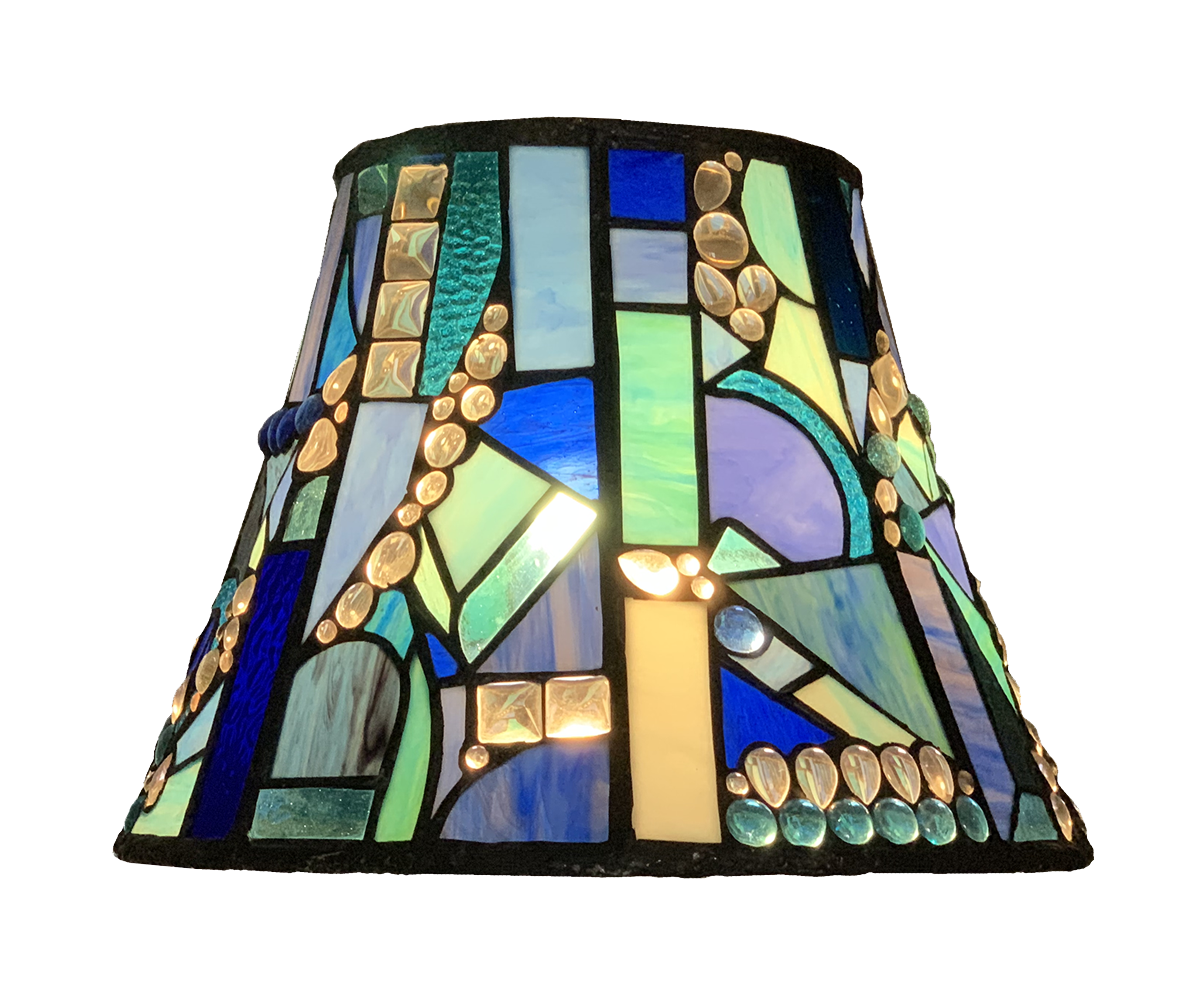
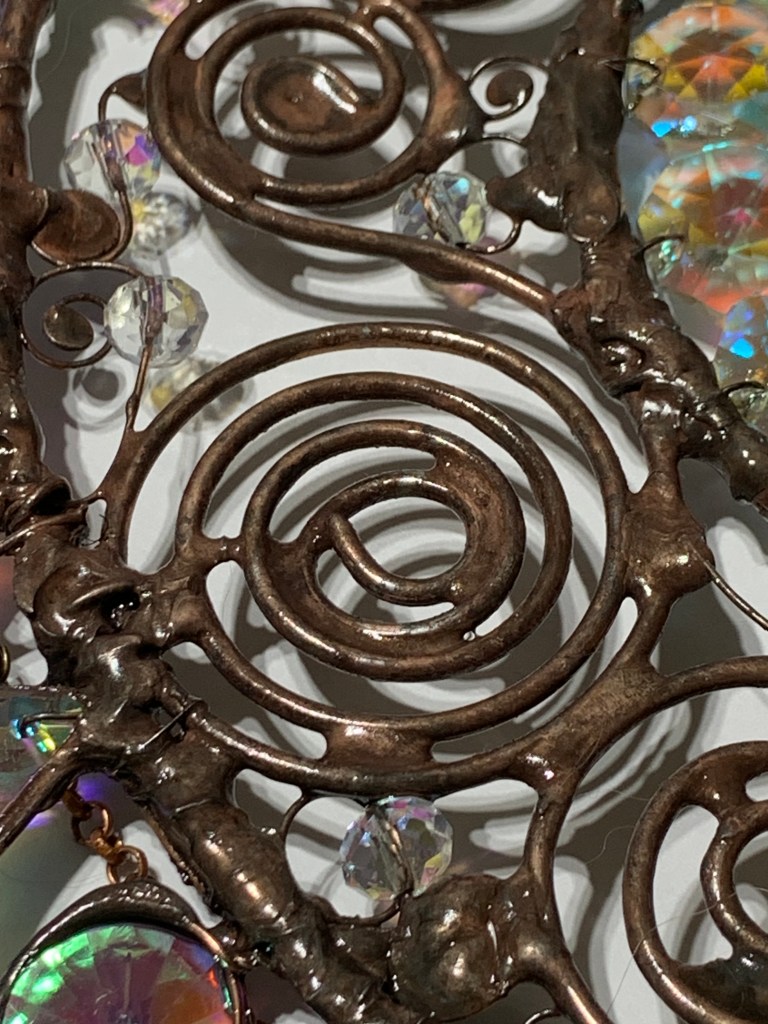
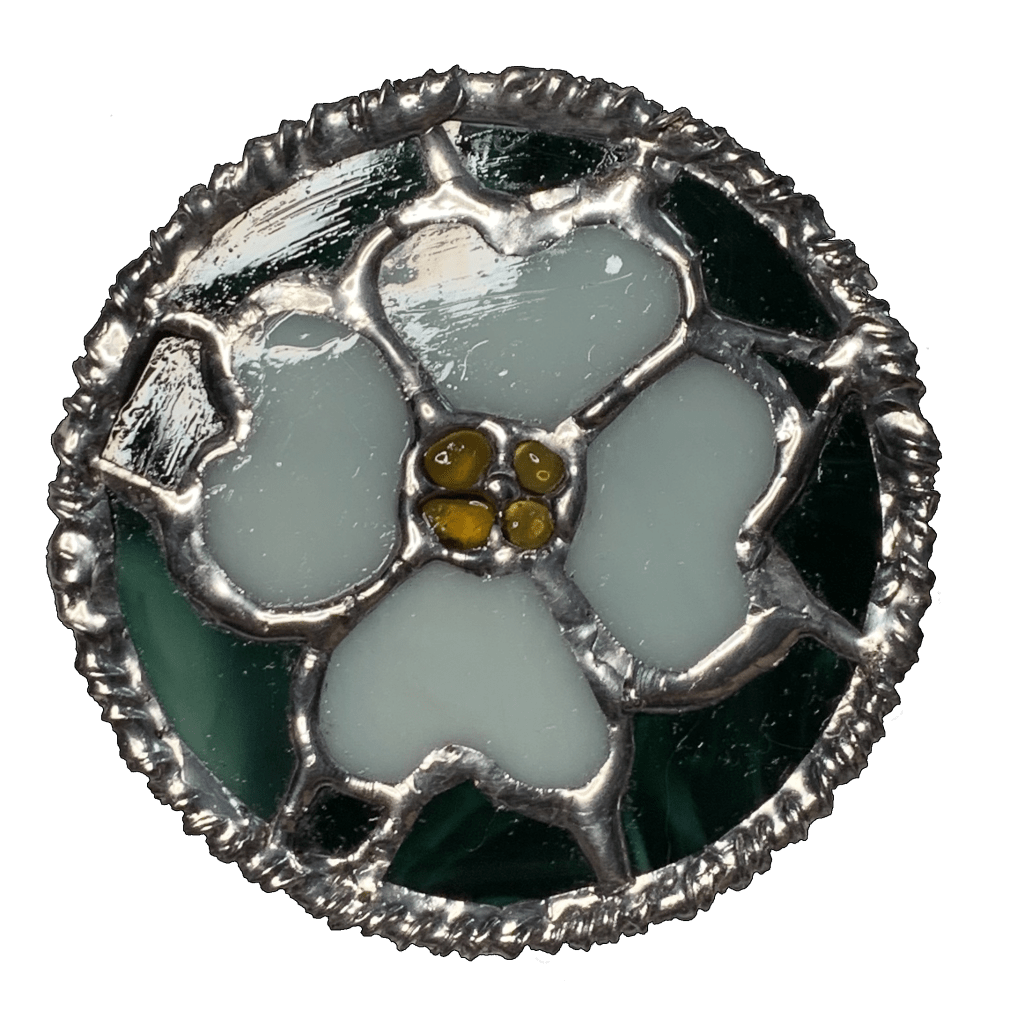
Polishing and finishing a stained glass involves carefully cleaning and sealing the glass and solder to insure a long lasting, attractive project. There are many different materials and methods people use on their projects. Some use oils, others finishing/polishing compounds or waxes. Here’s a step-by-step guide on the best ways to clean and polish stained glass:
Materials needed:
- Stained glass piece
- Mild soap (or special flux cleaners)
- Water (tap or distilled)
- White vinegar (optional)
- Soft lint-free cloth or sponge
- Linseed oil or mineral oil (or special finishing compounds/wax)
- Clean, dry cloth or paper towels
Steps:
- Clean the Stained Glass:
- Start by cleaning the stained glass to remove any dust, dirt, or grime. Mix a small amount of mild soap with water and use a soft lint-free cloth or sponge to gently clean the surface. Avoid abrasive cleaners that could scratch the glass. You can give it a soft scrubbing with a toothbrush. Cleaning promptly after soldering is much easier than trying to clean work that has sat for weeks or months!
- Rinse with Water:
- Rinse the stained glass with clean water to remove any soap residue. Ensure that the glass is thoroughly rinsed and free from cleaning agents.
- Optional Vinegar Solution:
- If there are stubborn stains or deposits on the glass, you can mix a solution of white vinegar and water (1:1 ratio) and gently rub the stained areas. Rinse the glass thoroughly after using vinegar. Some used distilled water for this final rinse to remove the possibility of extra minerals from tap water.
- Dry the Glass:
- Use a clean, dry cloth or paper towels to dry the stained glass completely. Ensure that no moisture remains on the surface.
- Select the Polishing Oil or see below where I talk about finishing compounds:
- Choose a suitable polishing oil for stained glass. Linseed oil or mineral oil is commonly used. Ensure that the oil is pure and does not contain additives or solvents.
- Apply the Oil:
- Dip a soft lint-free cloth or sponge into the oil. Gently rub the oil onto the stained glass project using circular motions. Ensure an even application, covering the entire area.
- Let it Sit:
- Allow the oil to sit on piece for a few minutes. This allows the oil to penetrate the glass surface and enhance its colors.
- Buff the Glass:
- After letting the oil sit, use a clean, dry cloth or paper towel to buff the stained glass. Buffing removes excess oil and brings out the shine in the glass and solder.
- Wipe Off Excess:
- Wipe off any remaining excess oil. This step helps prevent a sticky or oily residue from forming.
- Allow to Cure:
- Allow the stained glass to air-dry and cure. This ensures that the oil fully absorbs into the glass, providing long-lasting protection.
Always test the oil on a small, inconspicuous area first to ensure compatibility with the stained glass. Following these steps should help you achieve a polished and enhanced appearance for your stained glass piece.
Can you use cutting oil to polish stained glass?
Using cutting oil for polishing stained glass is not recommended. Cutting oil is specifically designed for use during the cutting or grinding process of glass, metals, or other materials. It is not formulated for the purpose of polishing or finishing stained glass.
For polishing stained glass, it’s better to use oils that are specifically designed for that purpose, such as linseed oil or mineral oil. These oils are often chosen for their ability to enhance the colors of the stained glass and provide a protective layer without causing any harm to the glass surface.
Cutting oils may contain additives or properties that are not suitable for the polishing process. Additionally, they may leave residues or interact with the glass in a way that doesn’t contribute to the desired finish.
What finishing compound for stained glass?
Finishing compound for stained glass is a substance or material used in the final stages of the stained glass creation process to achieve a smooth, polished, and refined appearance on the glass surface. These compounds typically contain abrasives that help remove fine scratches, imperfections, or residues, leaving the glass with a clear and glossy finish.
Choosing the best finishing compound for stained glass often depends on the specific requirements of your project and personal preferences. Here are a few commonly used finishing compounds that are well-regarded in the stained glass community:
- Cerium Oxide:
- Description: Cerium oxide is a popular choice for polishing glass, including stained glass.
- Benefits: It is known for its fine abrasive qualities and ability to produce a high-quality, glossy finish.
- Best for: Final polishing stages to achieve a smooth and shiny surface.
- Tin Oxide:
- Description: Tin oxide is another compound used for polishing glass.
- Benefits: It is a mild abrasive that can produce a bright and lustrous finish.
- Best for: Final polishing stages, especially for achieving a polished look on leaded glass.
- Pumice Powder:
- Description: Pumice powder is a natural abrasive often used in powdered form for polishing glass.
- Benefits: It is effective for removing scratches and imperfections.
- Best for: Intermediate stages of polishing to refine the glass surface.
- Zinc Oxide:
- Description: Zinc oxide is a mild abrasive compound.
- Benefits: It is used for fine polishing and can contribute to achieving a smooth finish.
- Best for: Final stages of polishing to enhance clarity and shine.
- Alumina (Aluminum Oxide):
- Description: Aluminum oxide is a hard and abrasive compound.
- Benefits: It is effective for grinding and smoothing glass surfaces.
- Best for: Coarser polishing stages or for projects that require more substantial material removal.
- Diamond Polishing Compound:
- Description: Diamond polishing compounds contain microscopic diamond particles.
- Benefits: They are highly abrasive and can be effective for cutting and polishing hard materials.
- Best for: Projects that require precise and efficient polishing, especially with harder glass types.
- Polishing Compound (Whiting or Jeweler’s Rouge)
- Description: Polishing compounds help achieve a smooth and shiny finish on soldered joints.
- Application: Apply a small amount of the polishing compound to a soft cloth or sponge and use it in circular motions on the soldered areas.
What brands of polishers and finishing compounds are best for stained glass
There are several brands of polishers and finishing compounds that are commonly used for stained glass projects. The choice of brand often depends on personal preferences, availability, and specific project requirements. Here are a few reputable brands that are well-regarded in the stained glass community:
- Griffith Stained Glass:
- Griffith Stained Glass is known for providing quality stained glass tools and supplies. They offer various polishing compounds and tools suitable for finishing stained glass projects.
- C. R. Laurence (CRL):
- Description: CRL is a widely recognized supplier of tools and products for the glass industry.
- Products: They offer a range of polishing compounds, including cerium oxide, which is commonly used for achieving a high-quality finish on glass.
- Glastar Corporation:
- Description: Glastar is known for producing stained glass tools and equipment.
- Products: They offer various polishing compounds, including cerium oxide and other abrasives suitable for finishing stained glass projects.
- 3M:
- 3M is a widely recognized brand that produces a variety of abrasive and polishing products. Their polishing compounds and abrasive pads are often used by stained glass artists for achieving a polished finish.
- Novacan:
- Description: Novacan specializes in stained glass chemicals and tools.
- Products: They provide glass polish and other compounds designed for polishing and finishing stained glass surfaces.
- His Glassworks:
- Description: His Glassworks is a supplier of glass tools and equipment.
- Products: They offer a range of finishing compounds, including cerium oxide and other abrasives for glass polishing.
- Diamond Tech International:
- Description: Diamond Tech International offers various stained glass tools and supplies.
- Products: They provide polishing compounds suitable for achieving a polished finish on stained glass.
- Cerium Supply:
- Description: Cerium Supply specializes in cerium oxide products.
- Products: They offer high-quality cerium oxide compounds that are commonly used for final polishing stages on glass.
- Bovard Studio Inc.:
- Description: Bovard Studio is known for its expertise in stained glass restoration and creation.
- Products: They offer a range of tools and supplies, including finishing compounds suitable for stained glass projects.
- Dremel:
- While Dremel is primarily known for rotary tools, they also produce accessories and attachments suitable for polishing and finishing stained glass. Dremel polishing compounds and felt polishing wheels can be used for small projects.
Additionally, it’s a good idea to read reviews, seek recommendations from experienced stained glass artists, and test products on a small, inconspicuous area before applying them to the entire project. Keep in mind that personal preferences and project requirements can vary, so finding the right polisher for your specific needs is key.
When choosing a finishing compound, consider factors such as the type of glass you’re working with, the desired level of polish, and the specific stages of the polishing process. It’s common for artists to use a combination of different compounds, starting with coarser abrasives and progressing to finer ones for a smooth and polished finish.
Additionally, always follow the manufacturer’s recommendations for usage, and test the compound on a small, inconspicuous area before applying it to the entire stained glass project. Personal preferences and project requirements may vary, so experimentation can help you find the best finishing compound for your specific needs.
Should you use wax on a finished stained glass project?
Using wax on a finished stained glass project is a matter of personal preference and can depend on the specific requirements of the project. Here are some considerations:
- Protection and Preservation:
- Wax can be used as a protective coating to help preserve the stained glass and prevent environmental elements from affecting it. It can act as a barrier against dust, dirt, and moisture.
- Enhancement of Colors:
- Some artists and crafters use wax to enhance the colors of stained glass. Applying a thin layer of wax can deepen the colors and add a subtle sheen to the glass.
- Texture and Finish:
- Wax can provide a unique texture and finish to the stained glass surface. This is especially relevant if you want to achieve a particular look or if the glass has a rough texture that you want to smooth.
- Careful Application:
- If you choose to use wax, apply it carefully and sparingly. Too much wax can create a sticky or cloudy residue on the glass, affecting its appearance.
- Compatibility Testing:
- Before applying wax to the entire project, it’s advisable to test it on a small, inconspicuous area of the stained glass. This helps ensure that the wax is compatible with the glass and doesn’t negatively impact its appearance.
- Maintenance:
- Keep in mind that waxed surfaces may require periodic maintenance. Over time, the wax layer may wear off or attract dust, and you may need to reapply or clean the surface.
- Avoid on Certain Finishes:
- If your stained glass project has specific finishes, coatings, or patinas, check whether wax is compatible. In some cases, wax may not be suitable for certain types of finishes.
- Personal Preference:
- Ultimately, whether to use wax on a finished stained glass project is a personal choice. Some artists prefer the natural finish of the glass without any additional coatings, while others appreciate the protective and enhancing qualities of wax.
If you decide to use wax, choose a high-quality wax suitable for use on glass and follow the product’s instructions for application. Many of the companies highlighted above offer waxes formulated to use on stained glass works. Always consider the nature of your stained glass project, its intended use, and your aesthetic preferences before deciding to apply any additional coatings.
What polishing tools are recommended for stained glass?
Sometimes you might want to use a tool to help you when polishing your work. Several polishing tools are commonly recommended for stained glass projects to achieve a smooth and polished finish on the soldered joints. Here are some essential tools for polishing stained glass:
- Rotary Tool (Dremel or similar):
- Description: A rotary tool with various attachments is versatile for polishing and cleaning solder joints.
- Attachments: Felt polishing wheels, rubber polishing bits, and abrasive polishing compounds can be used with a rotary tool.
- Random Orbital Sanders:
- Description: a handheld sander- has many compatible attachments that may be useful.
- Attachments: Buffing pads of all grades are available.
- Felt Buffing Wheel:
- Description: Felt buffing wheels can be attached to a rotary tool for polishing solder joints.
- Usage: Apply a small amount of polishing compound to the felt wheel and use it to buff the soldered areas.
- Rubber Polishing Bits:
- Description: Rubber polishing bits come in various shapes and can be attached to a rotary tool.
- Usage: Use these bits to reach tight corners and intricate details on the soldered joints.
- Polishing Pads or Sanding Pads:
- Description: Soft polishing pads or sanding pads can be used for manual polishing and smoothing of solder joints.
- Usage: Apply a polishing compound to the pads and use them to polish the soldered areas by hand.
- Steel Wool (Fine Grade):
- Description: Fine-grade steel wool can be used for polishing and removing oxidation from solder joints.
- Usage: Apply steel wool to the soldered joints in a gentle, circular motion to achieve a polished finish.
- Lathe Polishing Arbor:
- Description: A lathe polishing arbor can be used for larger stained glass projects, providing a rotating surface for polishing.
- Usage: Attach a buffing wheel or polishing compound to the lathe polishing arbor for efficient and consistent polishing.
- Lathe Buffing Wheels:
- Description: Buffing wheels attached to a lathe or bench grinder can be used for larger projects.
- Usage: Apply polishing compound to the buffing wheel and use it to buff the solder joints.
When selecting tools, it’s essential to consider the size and complexity of your stained glass project. For intricate details and small projects, handheld rotary tools may be more suitable, while larger projects may benefit from bench-mounted tools like lathes. Always prioritize safety and follow the manufacturer’s instructions for the tools and compounds you use.
Since choosing what finishes to use on any particular piece of stained glass work is by personal preference. You may want to try a few different materials and see which ones work best for your situation. I have found that oils work best for me. I have not had much luck with finishing compounds, as they must be applied, left to dry then rubbed off. I find they are hard to buff clean. But I have not given up and regularly try new compounds 🙂 !
Please post what you use to finish your stained glass art!
 Zodiarts
Leave a comment